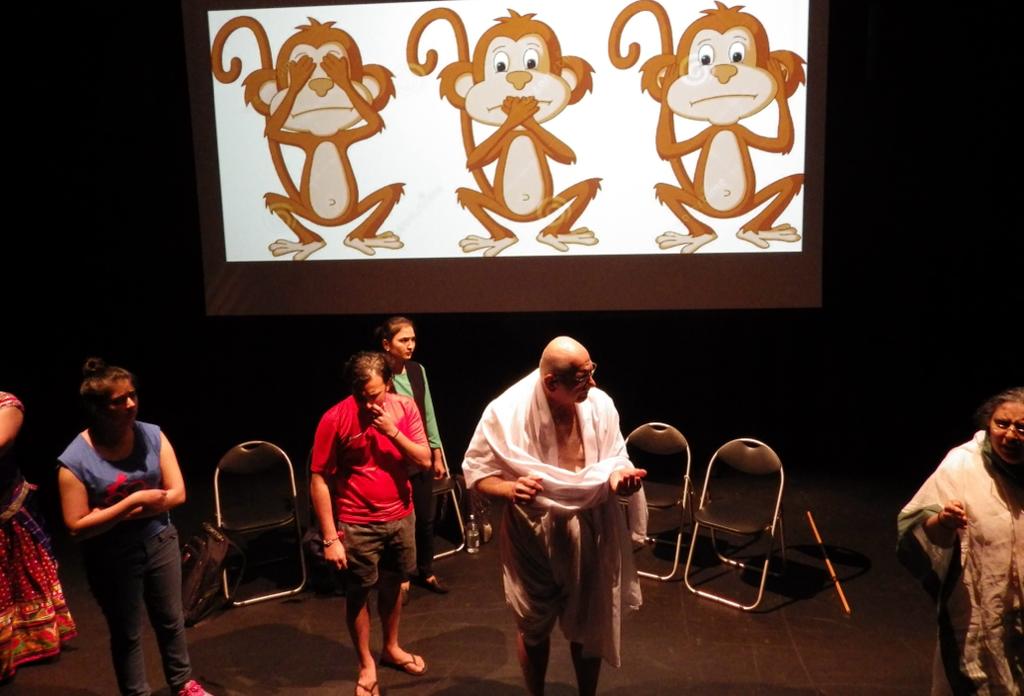
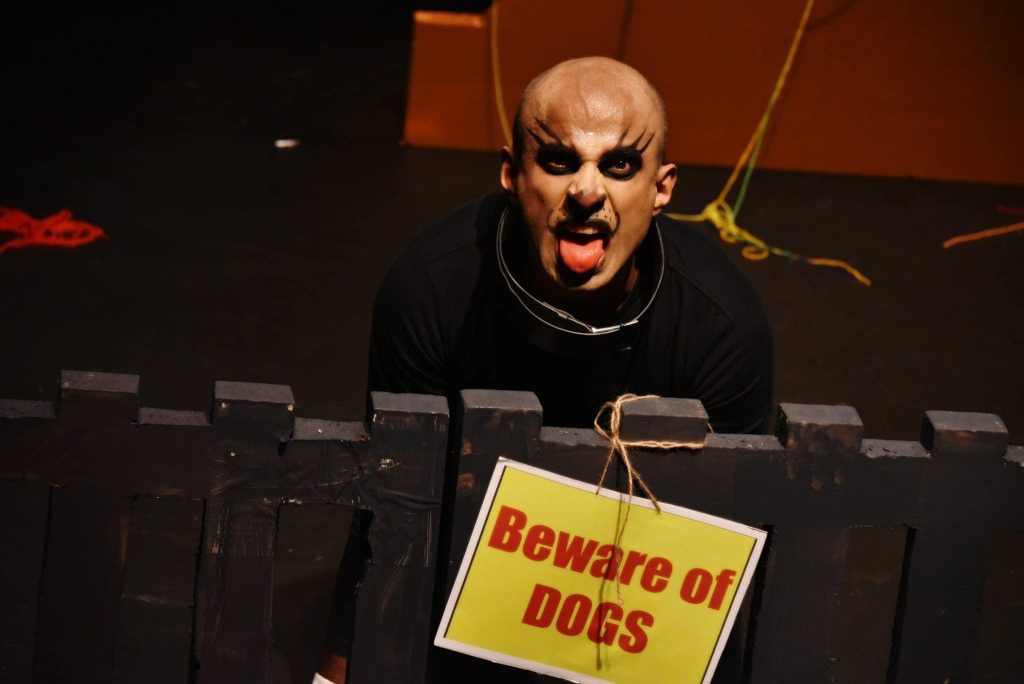
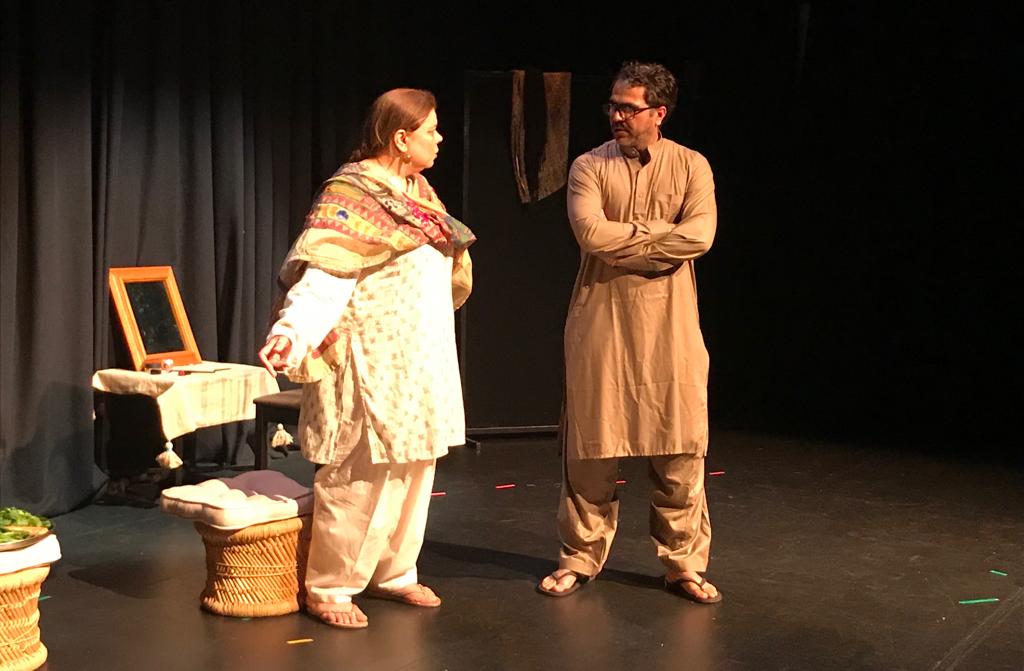
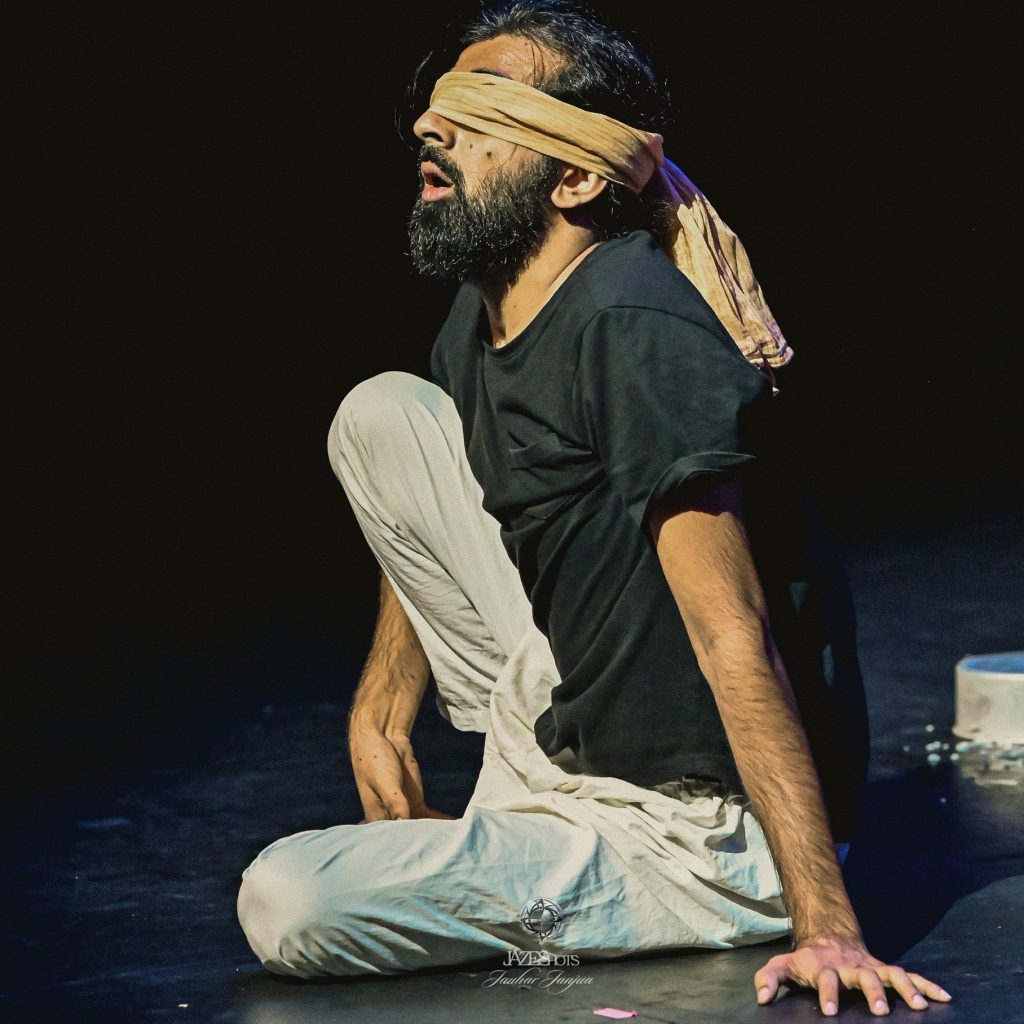
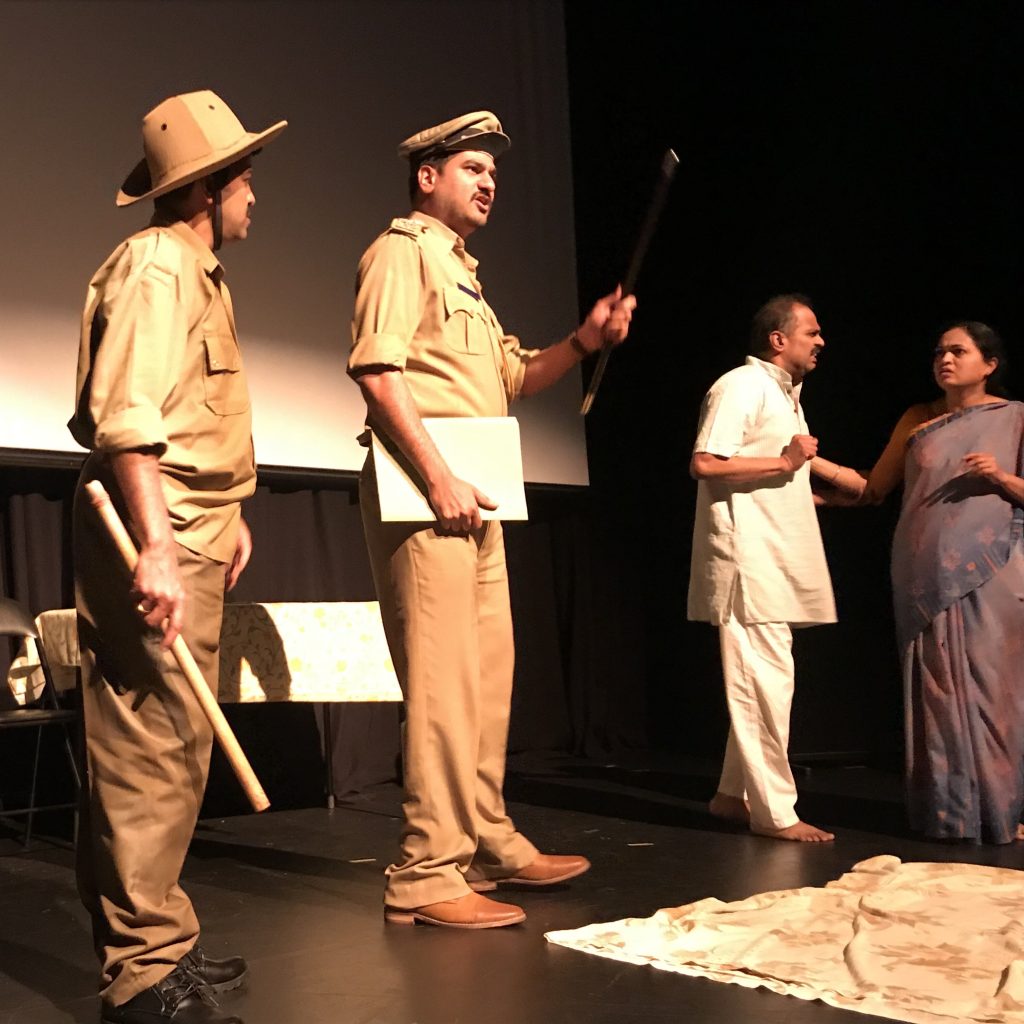
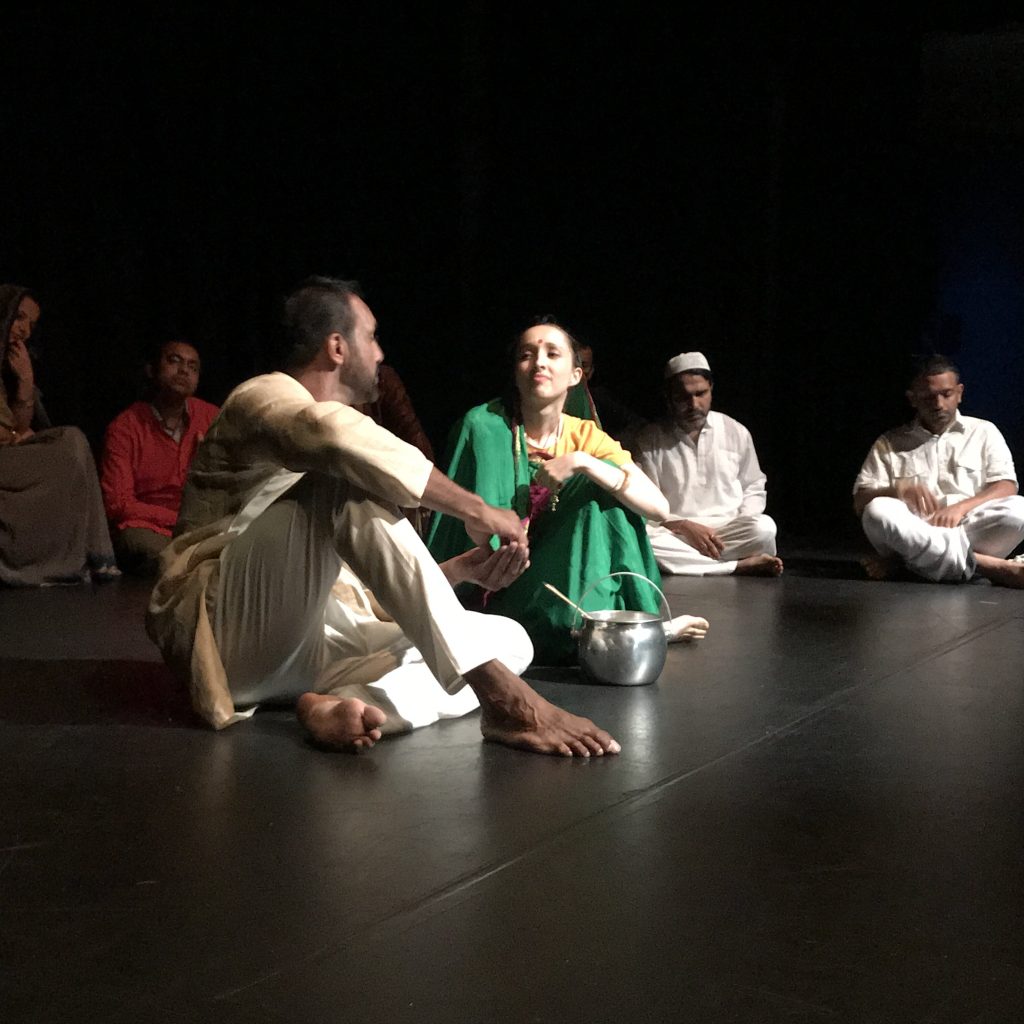
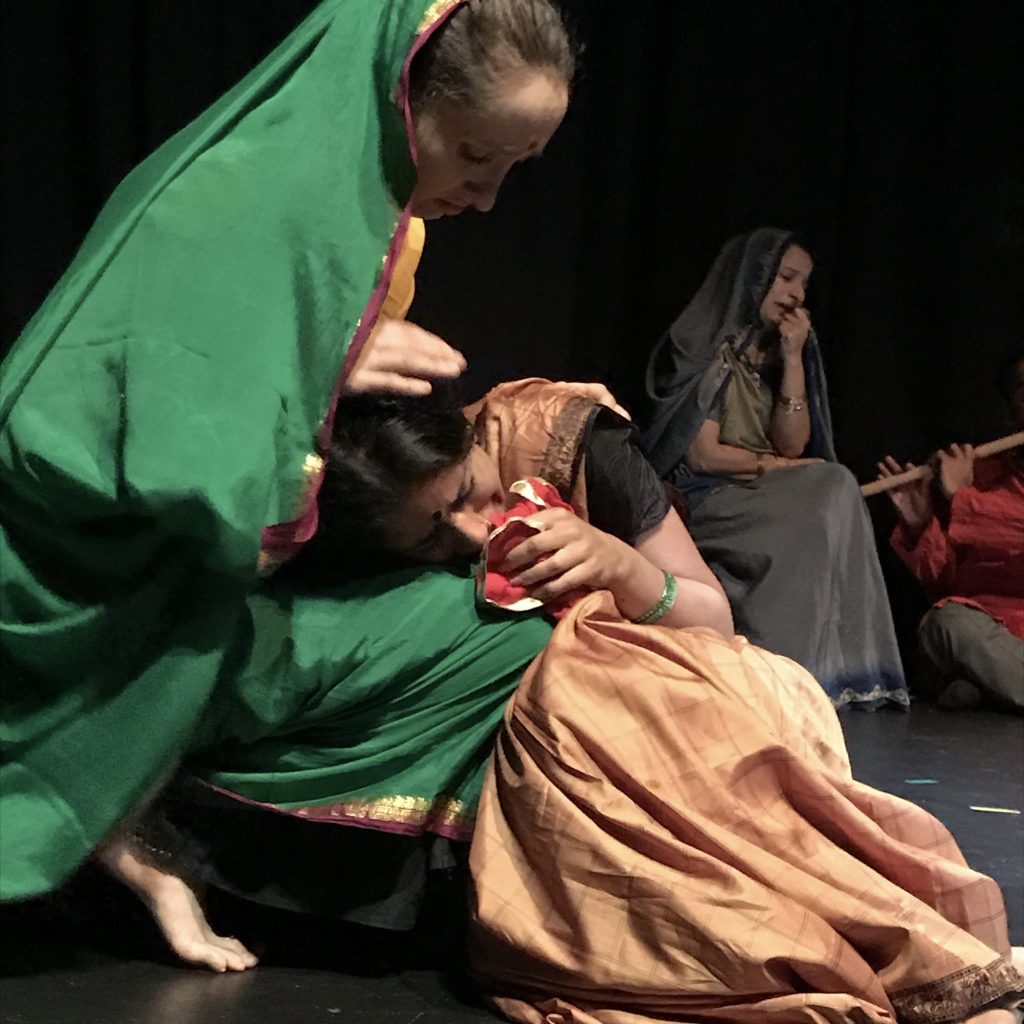
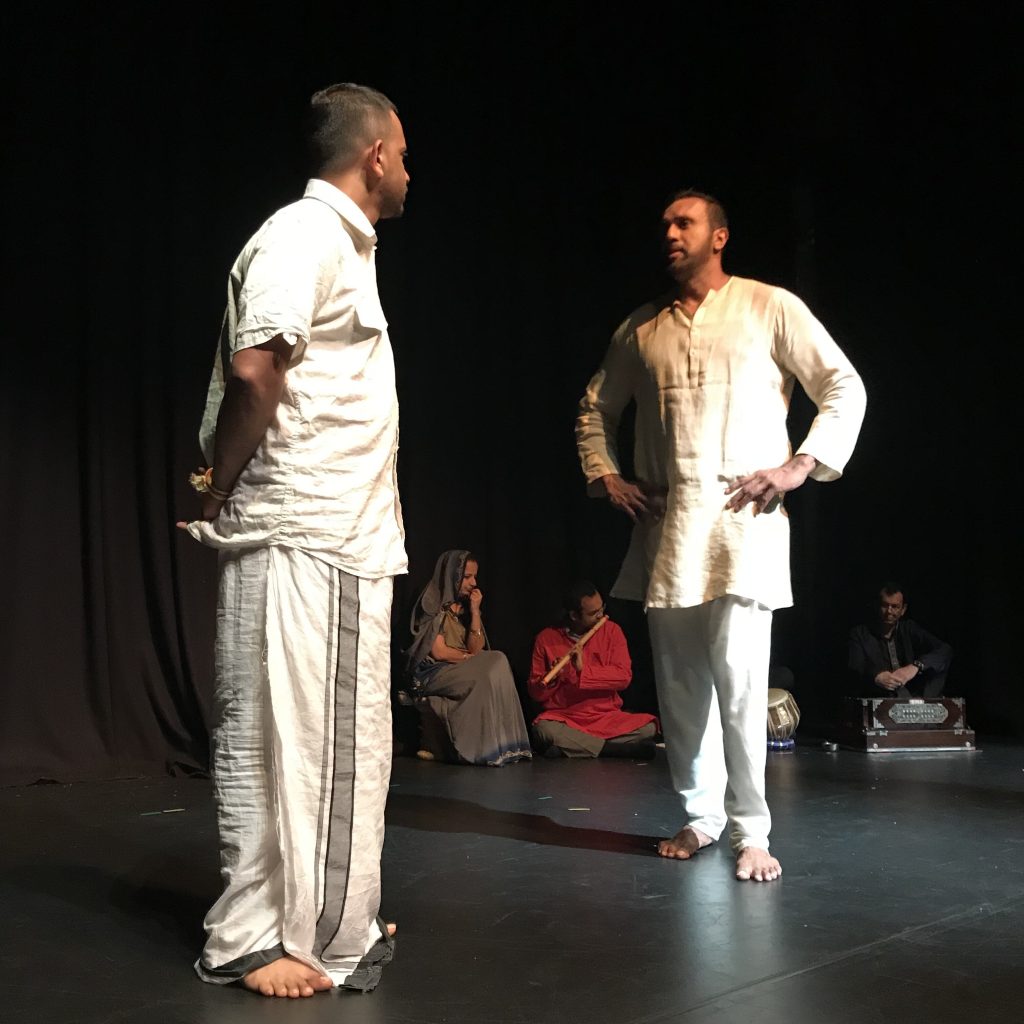
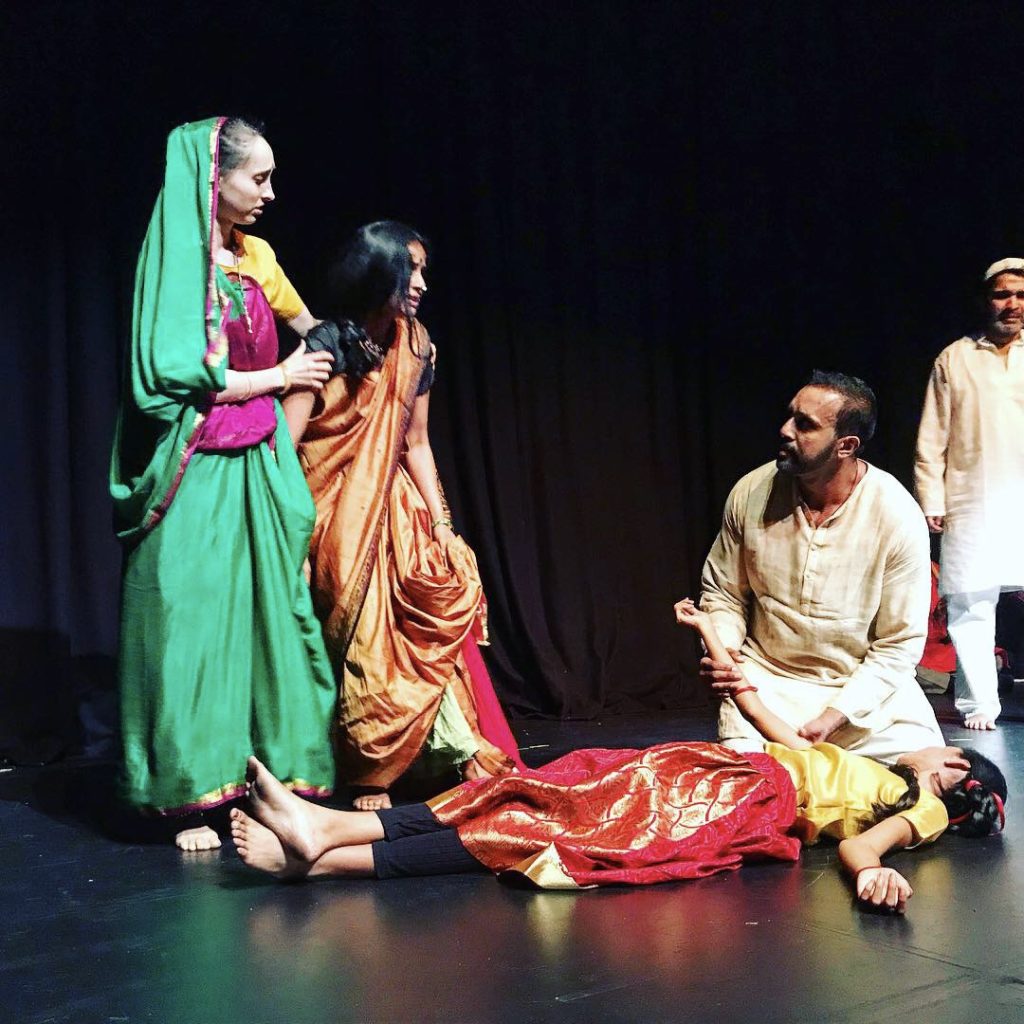
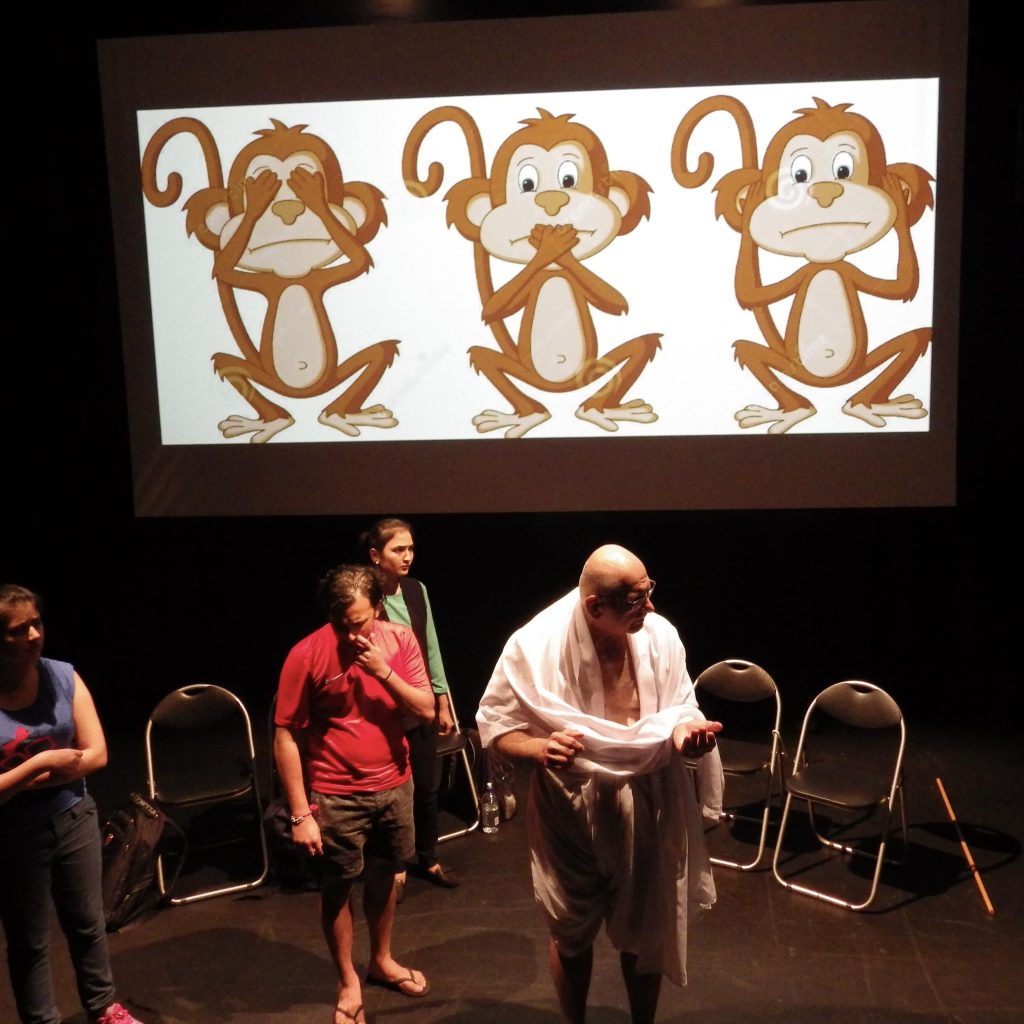
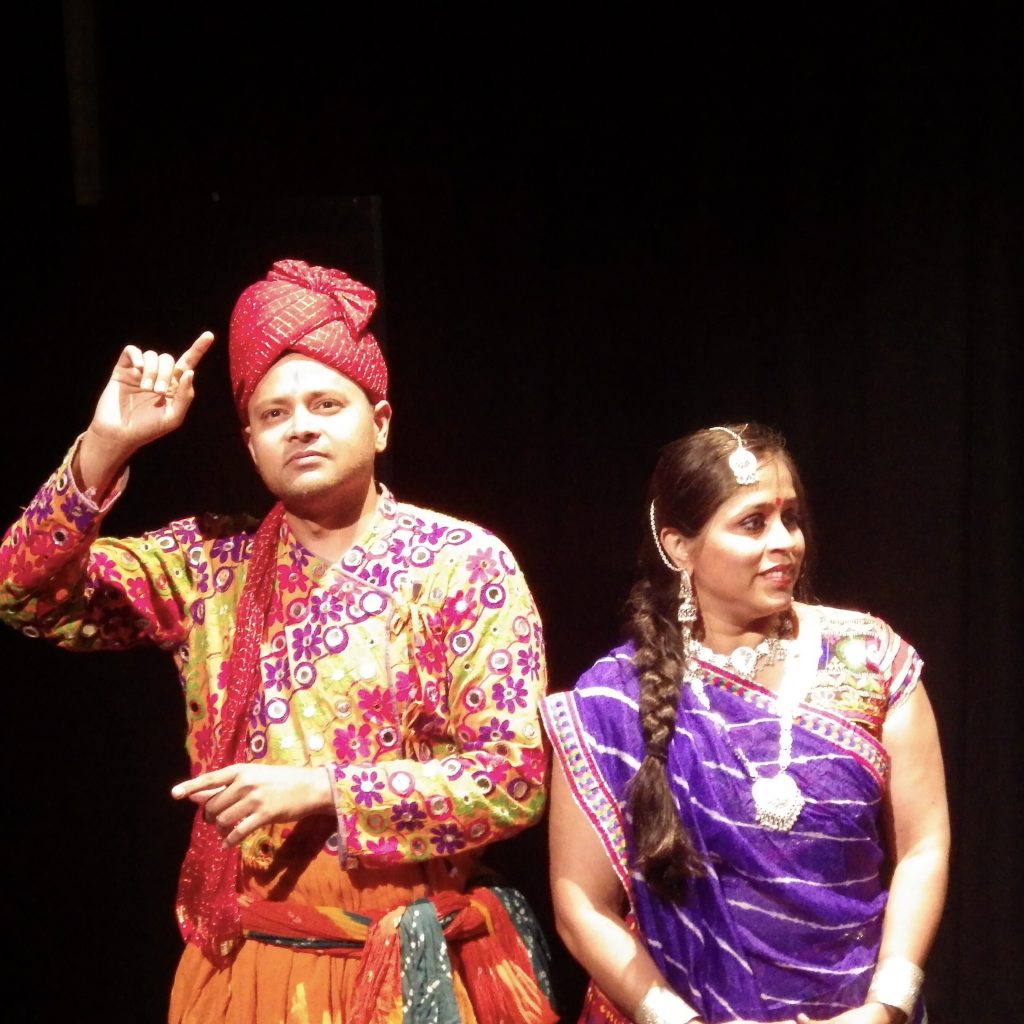
A grant from the Department of Multicultural New South Wales and the Parramatta City Council helped Nautanki organise the first South Asian Theatre Festival in 2016, which it held at Riverside Theatres. The Festival works to enhance the multicultural ethos of Parramatta.
Nautanki has held its Festival at Riverside Theatres every year since 2016.The Festival aimed to remind South Asian diaspora audiences in Sydney of their progressive and liberal roots; stir a sense of identity, community participation, and responsibility towards Australian society, of which they are a part now; and bring about a cultural dynamism. Tickets were sold on a pay-as-you-please basis so that audiences from all strata of society could participate. Three plays were staged in each day since 2016, one each from Bangla, Tamil, and Marathi literature, representative of the various linguistic communities from India living in Sydney.
In 2017, however, the Festival was truly pan–South Asian – Gujarati, Sinhala, and Urdu plays were staged. In 2018, shows were held in Fijian-Hindi, Punjabi, and Kannada. More than 170 audiences participated in each of these years in the festival, and the news of this festival spread to more than 10,000 individuals.
The fourth Festival was held on 24–25th October 2019. Three plays were enacted –
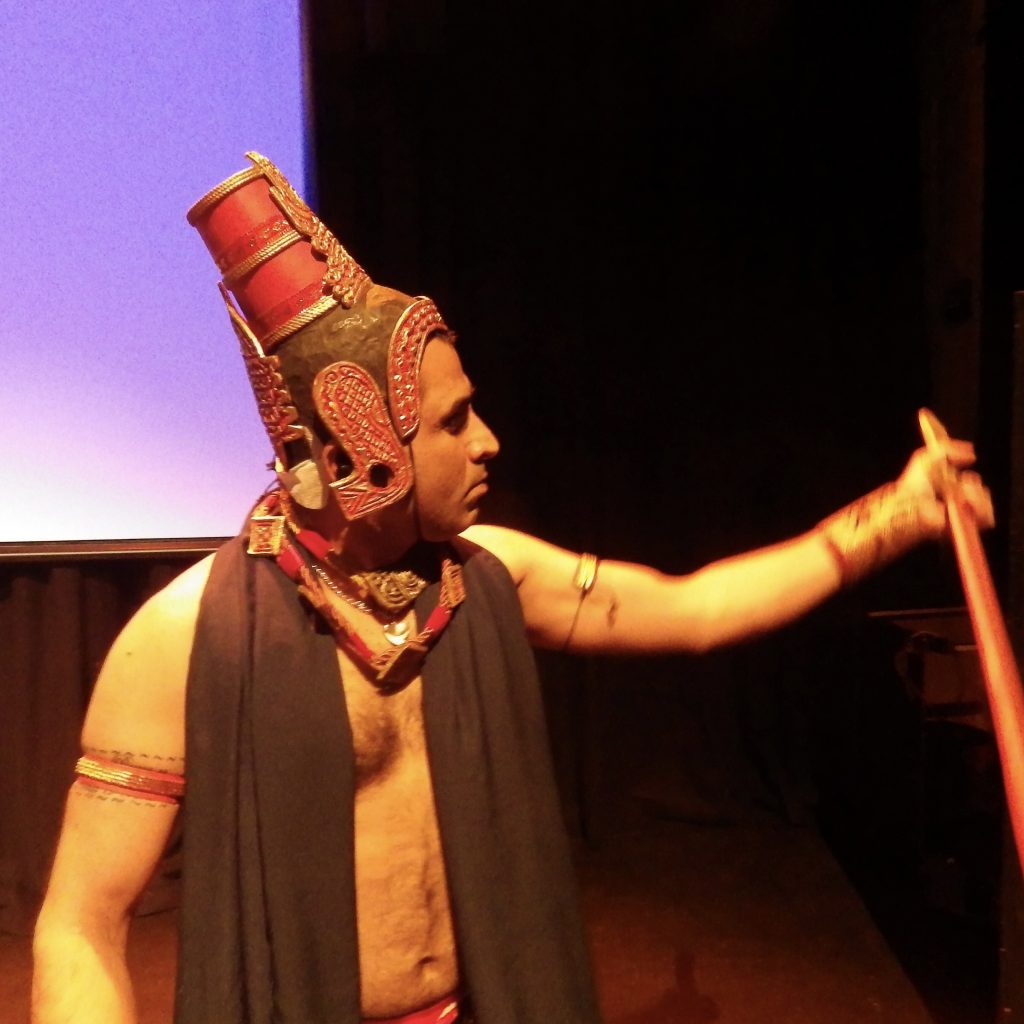
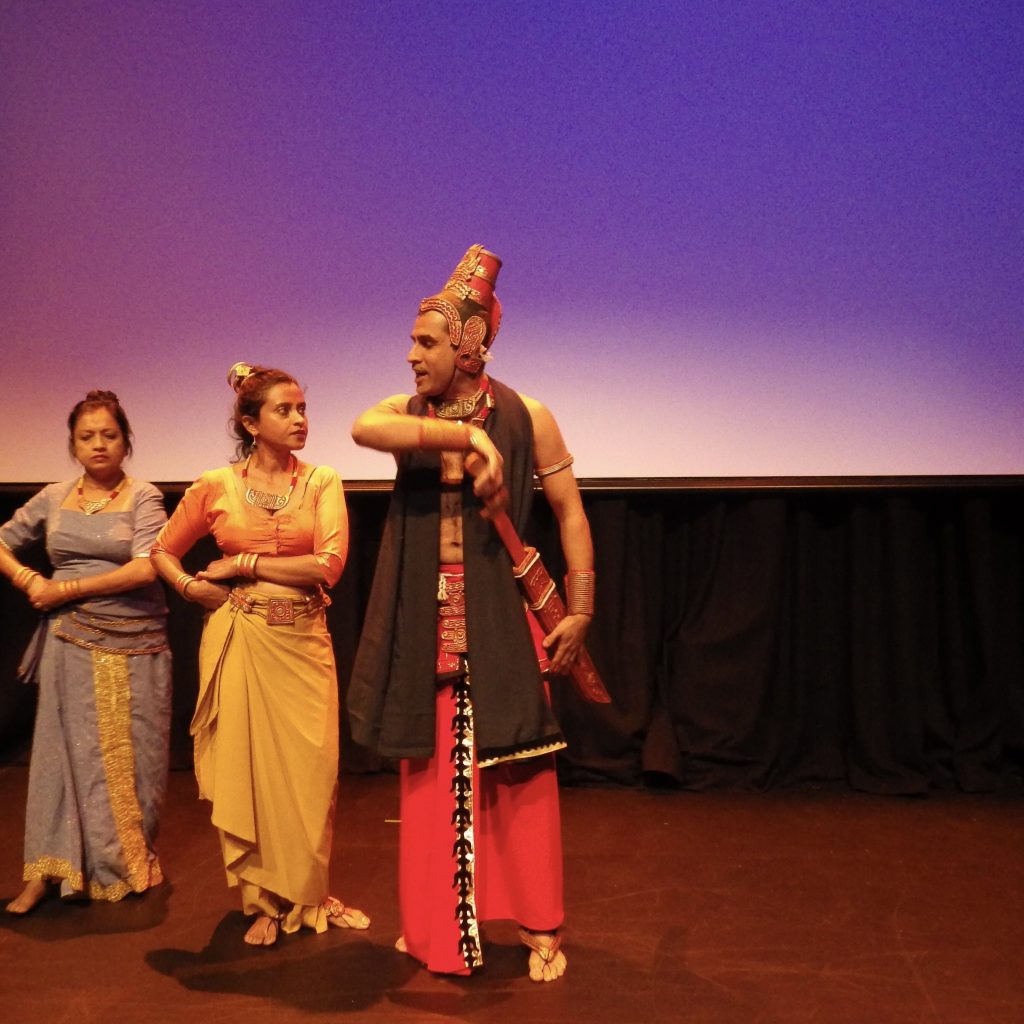
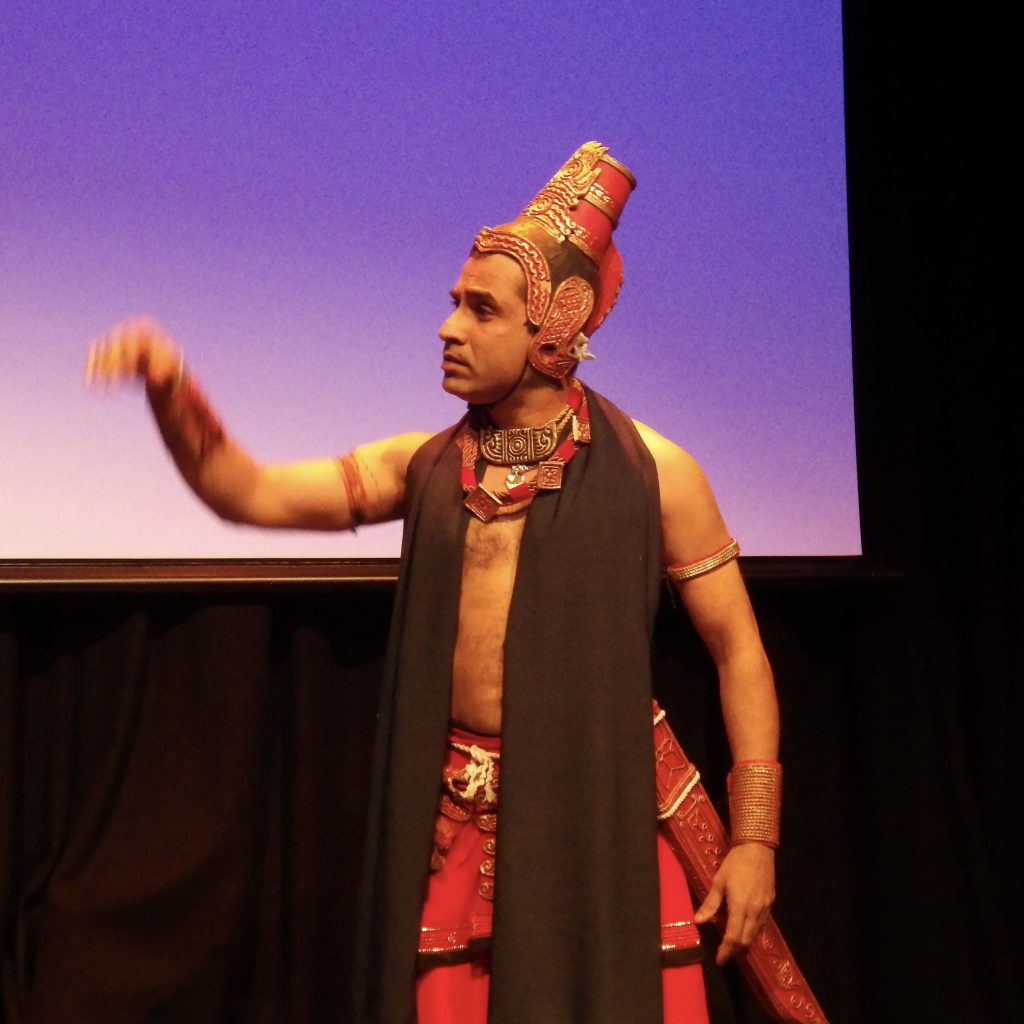
The Education of Miss Asia, in Sinhala and English, by Sydney Kolam Maduwa; the Tamil Penn (Woman) by Sydney Nadaga Priya; and the Bangla Debi Sarpamasta (The Serpent-Headed Goddess) by Aangik Theatre Sydney.
In its own words, Nautanki Theatre now pitches itself as ‘a Western Sydney–based organisation that works for cultural development, community participation education, and training and works with the ‘culturally and linguistically diverse community’ (CalD), refugees, and migrants, leading to social inclusion’.